
I will evaluate the IKEA brand with the European Union as a geographic
background and offer critical thoughts on how successful the current business strategy is and highlight areas for improvement. Four topics will be addressed such as, Mission and Values; Brand Architecture; Average Consumer Profile and Brand Positioning.
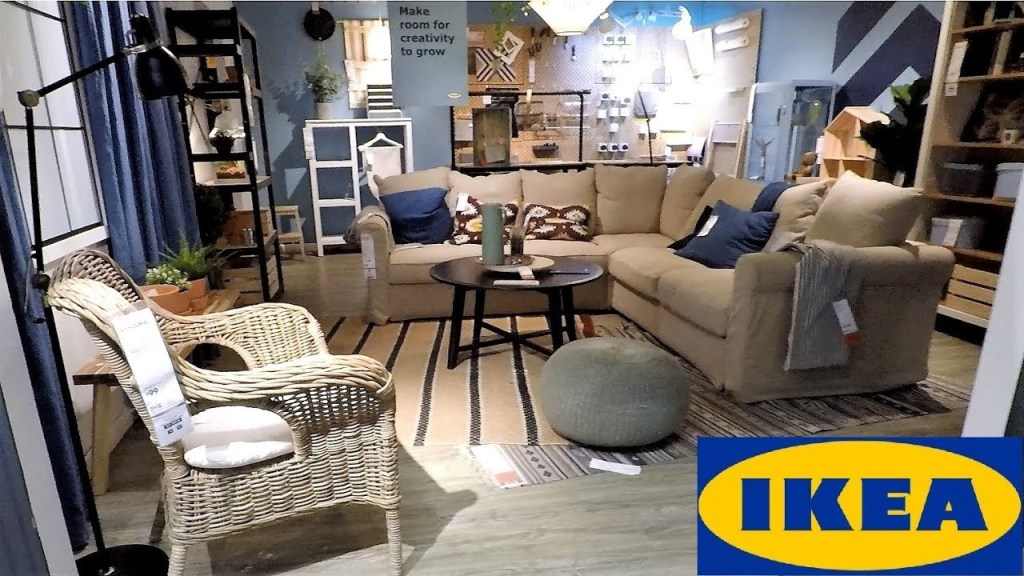
IKEAs mission is clear and concise, “To create a better everyday for the many people”. The brand wants to impact people’s lives through furnishing goods and other areas (INTER IKEA,2019).
IKEA has a set of values that are considered essential to offer the consumer and its employees.
The values are:
- “Leadership by example” which involves the creation of a positive atmosphere between managers and workers;
- “Constant desire for renewal”, in which the brand strives to keep creating innovative solutions to better serve the ever adapting life at home;
- “Togetherness and Enthusiasm”, they find their way out of difficult problems by working together;
- “Cost-Consciousness”, low prices with small resources;
- “Striving to meet reality”, means that IKEA develops solutions for real houses and for everyone;
- “Humbleness and willpower”, it is of most importance to respect each other, customers and suppliers while using willpower to “get things done”;
- “Daring to be different”, shows willingness to change when the old solutions do not fulfill the present needs anymore;
- “Accept and delegate responsibility”, promoting co-workers potential and stimulate them to go beyond their expectations;
- “Simplicity”, dealing with problems and facing challenges should be in a straightforward way;
- “Constantly being “on the way””, always searching for a better tomorrow (cInter IKEA Systems B.V. 2019).
These values are strongly revealed throughout the IKEA’s employees. IKEA consumers, in my opinion, view these as important values for themselves and for corporations as well.
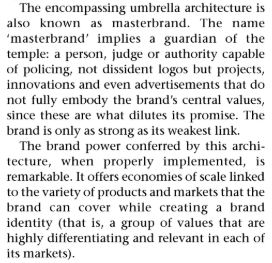
IKEA’s brand architecture fits into the “Masterbrand” category which allows individual names for its large variety of products and services (link in picture).
Being a Masterbrand gives the consumer a perspective of a highly diverse brand. Ikea has many services that follow the rule of bringing the brands name as the center of attention. There is “IKEA Business sales”, “IKEA Family card” and the “IKEA RESTAURANT” (cInter IKEA Systems B.V. 2019).
However the consumer regards IKEA, will have repercussions on what the consumer expects of the other associated services and vice-versa.

IKEA’s average consumers are part of the Millennial generation, which ranges from 24 to 34 years old (link in picture). This average consumers age is commonly associated with a first home-owning experience or moving into a partly furnishing a dorm.
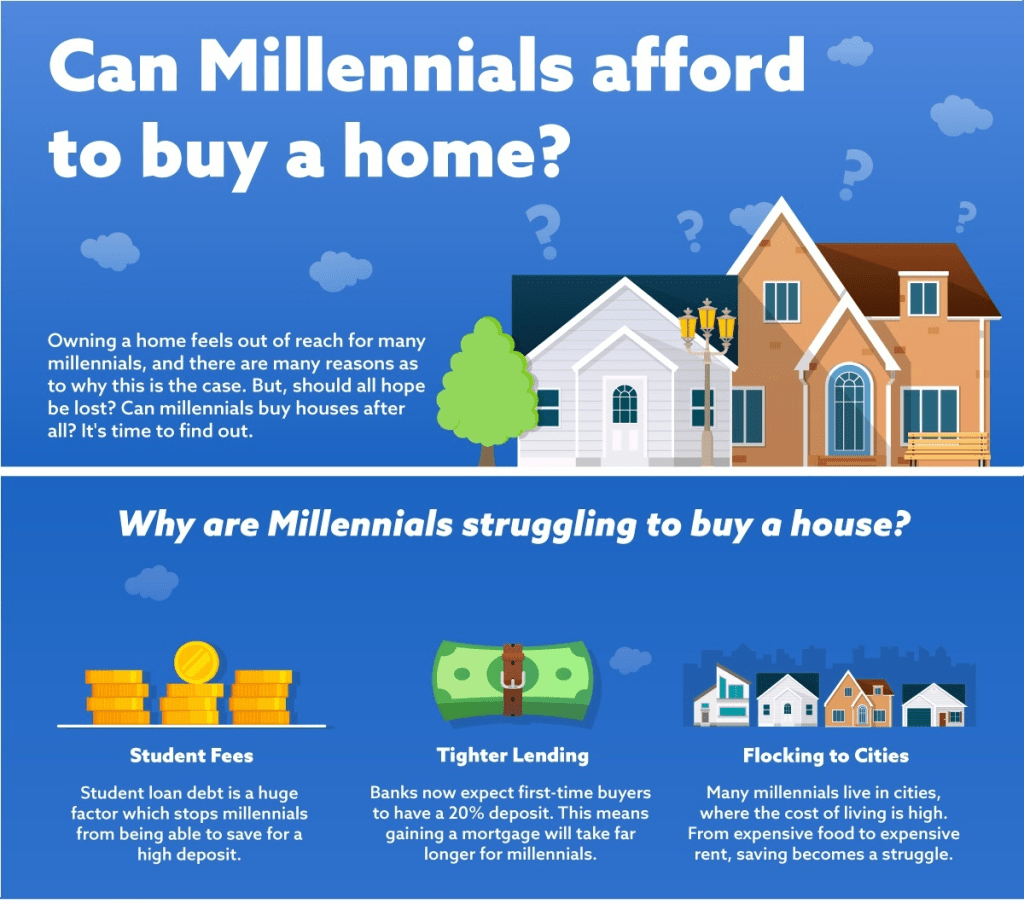
Cost of living is the main reason of concern of the millennial generation, this includes bills, rent and is highly associated to low income (see picture above).
The experience IKEA aims to give the consumer is an easy transition, while allowing the consumer a feeling of a modern home. “IKEA wants to explore the first home and how to make it inexpensive and fashionable” ( MORBY 2017 )
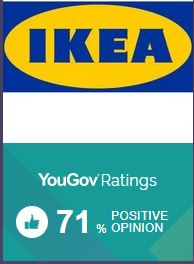
The percentage of trust British millennials place in IKEA is considerably higher in comparison with other furniture related brands, this puts IKEA as market leader (link in picture).
IKEA’s average consumer profile is someone who cares deeply about the environment and social causes. The average consumer wants to track where the basic materials of the products come from and if they are from sustainable resources and from a low CO2 emission factory.
They are also concerned if the brand allows the workers to have basic human rights, protects children from child labour and the communities which are involved in the process of production.
It can be seen that IKEA’s efforts to reach these ideals and make them a differentiating strength are woved deep inside the companies values, (INTER IKEA Systems B.V 1999-2019).
IKEA represents the consumer as the hero of the brand. When watching the advertisement “LION MAN” we can see the IKEA brand as a silent secondary actor.
The message is simple, the consumer and his family are the main heroes and they play the major role in IKEA’s mission. The ‘Lion Father’ is portrayed as a young energetic man that appreciates the safety and comfort of his house, when the children are out and when the children arrive IKEA allows him to feel at ease when hosting a birthday party with many children (IKEA Ireland ca.2017).

Their brand purpose “To create a better everyday for the many people” is an unlimited statement. It offers absolutely no limitations on brand self-expression. Whether it is product placement, advertising, media platforms or social involvement; their options of self representation are unlimited and this aligns, with how the millennial generation views themselves.
The brand has what the modern consumer asks of the corporations, which is social responsibility, environmental awareness and a low-cost product alongside with functional and beautiful design.
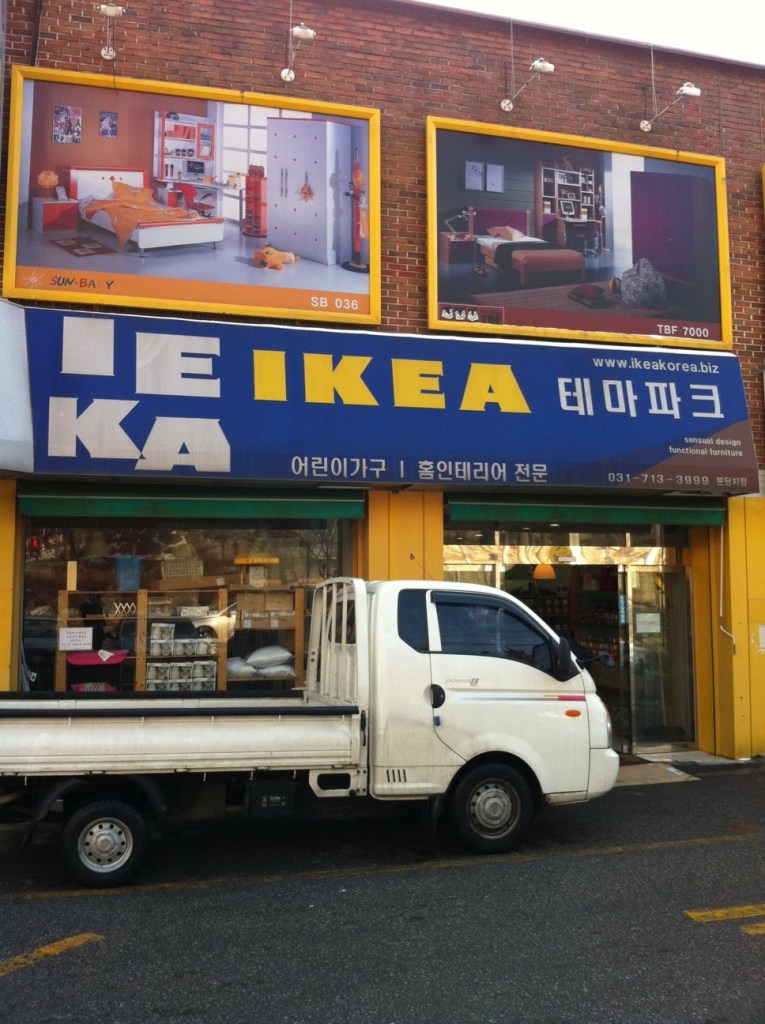
IKEA is now being challenged and must find ways to fight copycats, e-commerce and the lack of loyalty of younger audiences. This will ask a great involvement from the brand to understand how to keep their promise as they expand. By being creative in developing new strategies the brand must keep true to itself and able to resonate with their present and new consumers.
This reflection is an excerpt of a research document written by me. If you’d like a deeper understanding of the sources used and further graphs, contact me.

